
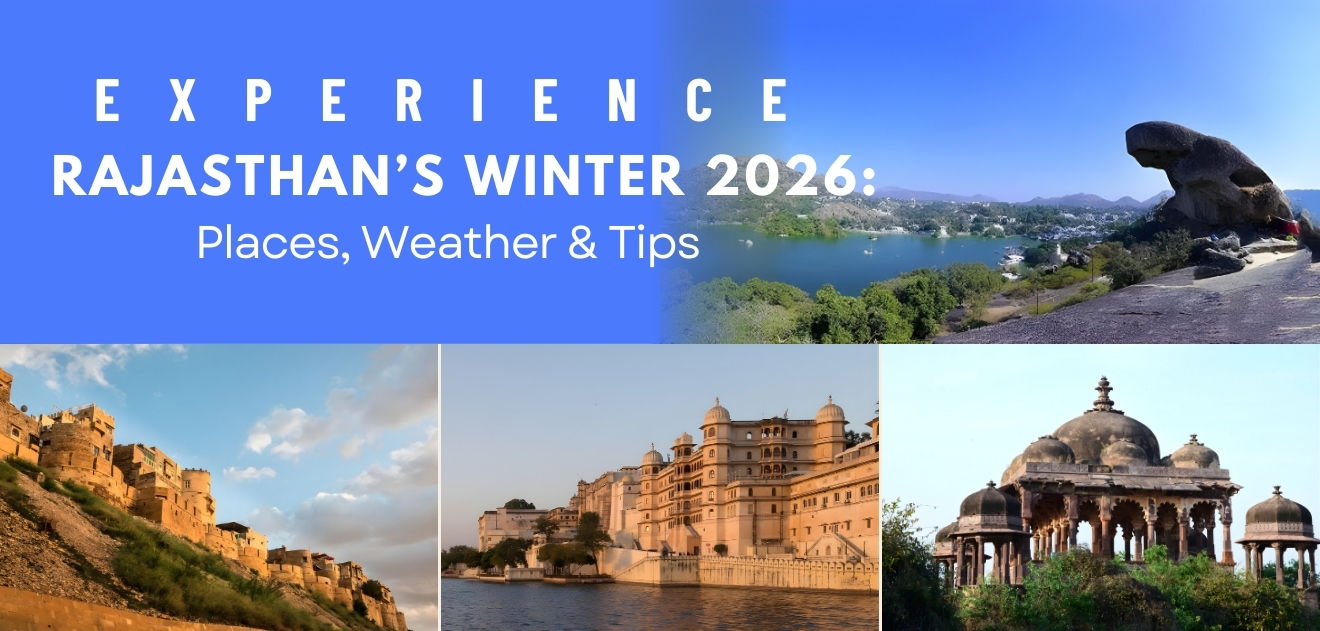
Experience Rajasthan’s Winter 2026: Best Places, Weather & Travel Tips
Rajasthan in winter is not about exaggerated romance or postcard fantasies—it is about practicality meeting heritage. The state’s harsh summers make winter the only truly comfortable season for travel, exploration, and long road journeys. If you plan to experience Rajasthan’s winter 2026, this guide gives you a clear, realistic view of what to expect: actual weather conditions, destinations that make sense in winter, travel logistics, and practical advice without unnecessary fluff.
Winter in Rajasthan is busy, sometimes crowded, and logistically demanding—but it is also when the state functions at its best for travelers.
Why Winter 2026 Is the Right Time for Rajasthan Travel
From November to February, Rajasthan transitions into its most travel-friendly phase. Temperatures drop, roads are easier to navigate, and tourist infrastructure operates at full efficiency. Rajasthan winter travel in 2026 will see increased footfall due to festivals, international tourism, and domestic holiday travel, making early planning essential.
Winter is also when Rajasthan’s landscapes—deserts, forts, lakes, and old cities—are physically accessible without exhaustion. Unlike summer trips that limit movement to mornings and evenings, winter allows full-day exploration.
Rajasthan Winter Weather Guide: What to Actually Expect
A realistic Rajasthan winter weather guide matters more than poetic descriptions. Winters here are dry, cool, and sometimes unexpectedly cold at night.
Average Winter Temperatures
- Daytime: 18°C to 27°
- Nighttime: 4°C to 10°C (colder in desert regions)
- Rainfall: Minimal to none
- Fog: Common in early mornings, especially in Jaipur and eastern Rajasthan
Cities like Jaisalmer and Bikaner experience colder nights due to desert conditions, while Mount Abu remains the coldest spot in the state. Days are pleasant, but evenings demand proper layering.
Best Places to Visit in Rajasthan in Winter
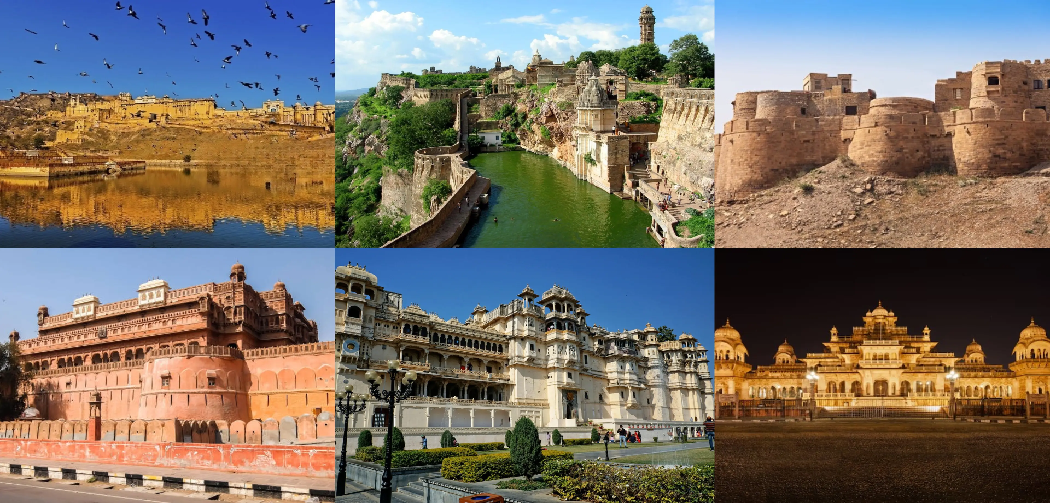
Winter is not the right time to visit every corner of Rajasthan—but it is the best time to visit the following destinations.
Jaipur: Structured Tourism and Cultural Access
Jaipur functions efficiently in winter. Forts like Amer, Nahargarh, and Jaigarh can be explored without weather fatigue. Walking tours in the old city are practical, and markets operate at full scale.
Winter is also when Jaipur hosts large-scale events like the Jaipur Literature Festival, increasing accommodation demand. If Jaipur is part of your itinerary, bookings should be done months in advance.
Jaisalmer: Desert Travel Without Physical Strain
Jaisalmer is often misunderstood as a destination meant only for adventure seekers willing to endure harsh desert conditions. In reality, when planned correctly—especially during winter—Jaisalmer offers desert travel that is manageable, structured, and far less physically demanding than its reputation suggests. The key lies in timing, route planning, and realistic expectations.
Jaisalmer in winter is not about endurance. It is about access—access to the fort, the desert, and the city’s culture—without pushing physical limits.
Udaipur: Lakes and Heritage Without Heat
Udaipur’s lakeside walks, palace visits, and surrounding hill drives are best done in winter. Boat rides on Lake Pichola are more comfortable, and the city’s narrow streets are easier to navigate without heat stress.
Winter mornings are cool, afternoons mild, and evenings calm—ideal for slow-paced exploration.
Jodhpur: Fort Exploration and Old City Walks
Mehrangarh Fort requires extensive walking and climbing, making winter the only sensible season to explore it thoroughly. Blue City walks are easier, and food tours function better due to stable weather.
Jodhpur also works well as a road-trip stop between Jaipur and Jaisalmer during winter.
Mount Abu: Cold but Manageable
Mount Abu experiences real winter, not mild coolness. Night temperatures can drop close to freezing. The upside is clear skies, minimal crowds compared to summer, and excellent visibility.
Mount Abu is suitable for travelers who are prepared for cold mornings and evenings.
Winter Festivals and Events in Rajasthan 2026
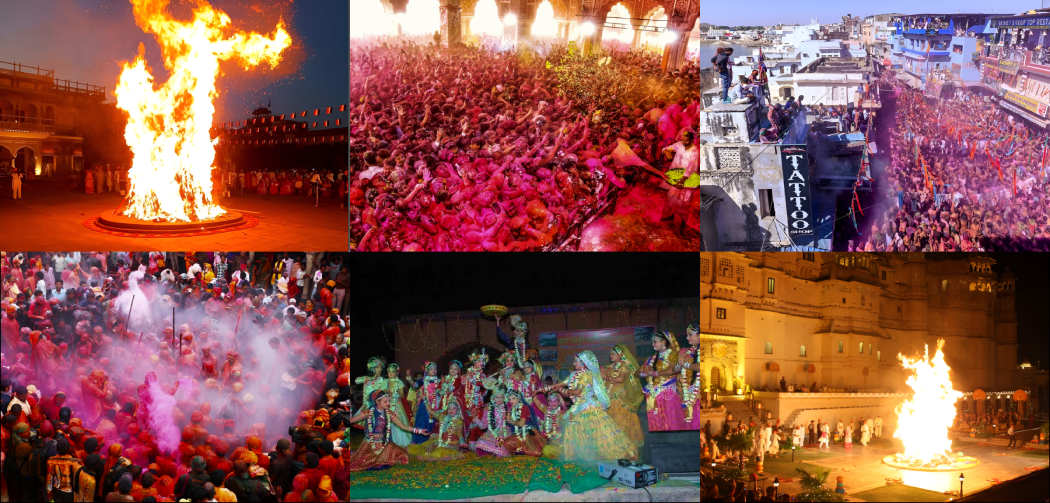
Winter aligns with Rajasthan’s cultural calendar. Traveling during festival periods means better experiences but heavier crowds.
- Jaipur Literature Festival (January): International crowd, packed hotels
- Desert Festival, Jaisalmer: Folk performances, camel events
- Pushkar Fair (Late Autumn/Early Winter): Cultural immersion and livestock trading
- Local fairs and temple festivals: Smaller towns become active
If festivals are part of your plan, adjust expectations—transport delays and price surges are common.
Things Worth Doing in Rajasthan During Winter
Winter allows full engagement with Rajasthan’s heritage instead of selective sightseeing.
- Full-day fort exploration without heat exhaustion
- Desert safaris that are safe and regulated
- Long-distance road travel without engine overheating issues
- Walking tours, photography, and local market visits
- Outdoor cultural performances and folk shows
Winter also enables tighter itineraries without forced rest breaks due to heat.
Winter Travel Tips for Rajasthan
These winter travel tips for Rajasthan are based on conditions, not assumptions.
Clothing
- Layered clothing is essential Light jackets for daytime, heavy jackets for night
- Scarves and caps for desert areas
- Comfortable walking shoes—terrain is uneven
Health & Comfort
- Dehydration still happens due to dry air
- Cold mornings affect joints—pace yourself
- Sunscreen is necessary even in winter
Safety
- Desert nights are cold—avoid unplanned overnight stops
- Stick to known routes when driving early morning or late night
Transportation Realities in Rajasthan Winter Travel 2026
Winter is peak travel season, meaning roads are crowded and public transport is booked early. Trains sell out quickly, flights are expensive, and self-driving long routes can be tiring due to fog.
For families and groups, road travel in a comfortable vehicle is often more practical. Services like Luxury Urbania Rental are commonly used for winter road journeys because they provide adequate space, heating, and luggage capacity for long intercity routes without constant stops.
Winter is not the season to underestimate road fatigue—comfort matters.
Sample Rajasthan Winter Itineraries (Realistic Planning)
5-Day Short Trip
- Jaipur (2 days)
- Ajmer–Pushkar (1 day)
- Udaipur (2 days)
Each itinerary requires buffer time due to winter fog and festival congestion.
Food and Cuisine in Rajasthan During Winter
Winter is the best season for Rajasthani food—not because it’s “cozy,” but because digestion is easier in cooler weather.
- Dal Baati Churma
- Gatte ki Sabzi
- Laal Maas (especially in Jodhpur)
- Winter sweets like ghewar and moong dal halwa
Street food is safer in winter due to lower spoilage risk, but hygiene still varies by location.
Common Mistakes Travelers Make in Rajasthan Winters
- Assuming winter nights are mild
- Underestimating fog-related delays
- Overpacking destinations into short itineraries
- Ignoring bookings for hotels and transport
- Choosing summer-style clothing
Avoiding these mistakes improves the overall experience significantly.
Final Thoughts
To experience Rajasthan’s winter of 2026 properly, you need realistic expectations. The season offers comfortable weather, cultural access, and operational efficiency—but also crowds, early bookings, and cold nights.
If planned correctly, winter allows you to see Rajasthan fully—its forts, deserts, cities, and culture—without battling extreme temperatures. Whether you are traveling independently or using organized road transport such as Luxury Urbania Rental, the key is preparation, not spontaneity.