
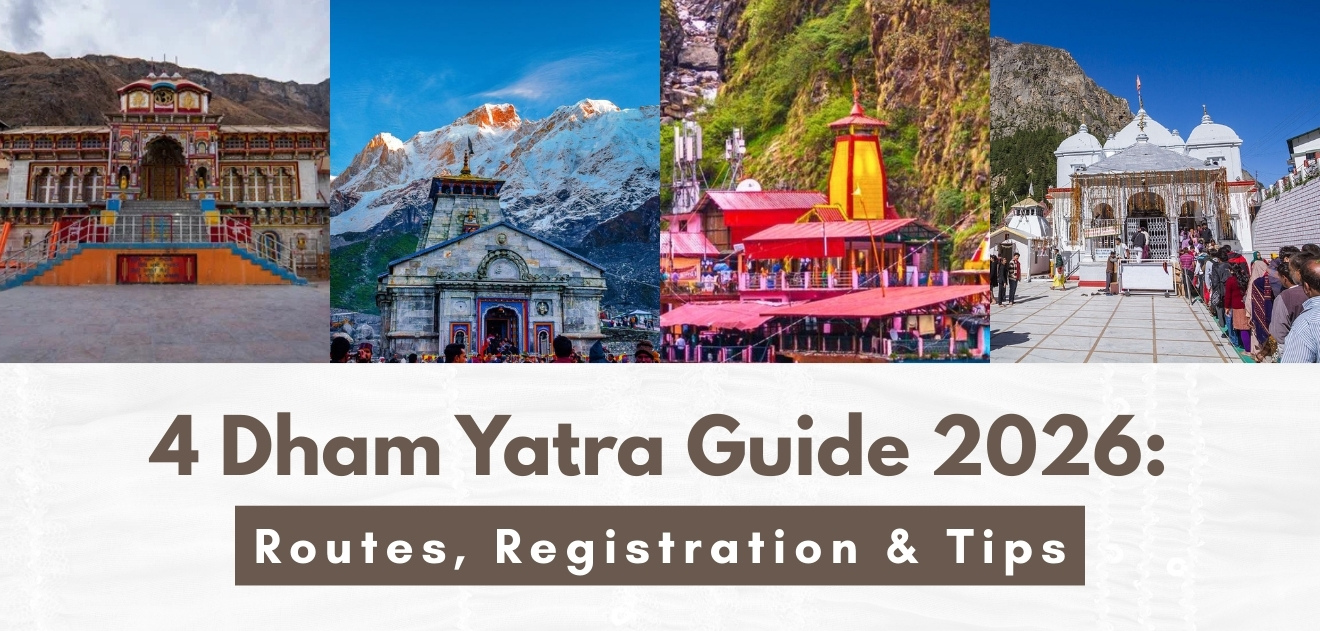
4 Dham Yatra Guide 2026: Routes, Registration, Best Time & Tips
The Char Dham Yatra is not a leisure trip, not a spiritual vacation, and definitely not an easy mountain tour. It is a physically demanding, logistically complex pilgrimage that requires planning, discipline, and realistic expectations. This 4 Dham Yatra Guide 2026 is written with that reality in mind—no exaggeration, no romanticized storytelling, just clear information that helps you complete the yatra safely and efficiently.
The four dhams—Yamunotri, Gangotri, Kedarnath, and Badrinath—are located in the high Himalayas of Uttarakhand. Weather changes quickly, roads are fragile, and medical access is limited. If you treat the yatra casually, it will test you. If you plan it properly, it becomes manageable.
Understanding the 4 Dham Yatra
The Char Dham Yatra involves visiting four sacred shrines in a specific geographical sequence, not a random order. Each dham is located at increasing altitudes, and the cumulative effect of travel, cold, and terrain impacts the body.
This pilgrimage is undertaken on narrow mountain roads, on foot at certain stretches, and often in unpredictable weather. It is not suitable for last-minute planning or overpacked itineraries.
4 Dham Yatra Routes 2026: Ground Reality
Maps make the journey look straightforward. It isn’t. The 4 Dham Yatra routes 2026 involve long road hours, narrow mountain stretches, frequent traffic blocks, and weather disruptions.
Key Route Overview
- Haridwar/Rishikesh → Yamunotri: Road till Janki Chatti + 5–6 km trek
- Yamunotri → Gangotri: Full-day road journey via Uttarkashi
- Gangotri → Kedarnath: Road till Gaurikund + 18 km trek
- Kedarnath → Badrinath: Road via Joshimath
Travel time fluctuates daily. Landslides, road repairs, and traffic volume can add hours without warning. Buffer days are not optional—they are necessary. Road conditions vary daily. Landslides and traffic congestion are common during peak season. Build buffer days into your plan.
Registration Process for 4 Dham Yatra 2026
Registration is mandatory. Without it, you will not be allowed to proceed at checkpoints.
How Registration Works
- Online registration through the Uttarakhand government portal Offline counters at Haridwar, Rishikesh, and selected transit points
- ID proof required for each pilgrim
- A health declaration is compulsory
Biometric registration may be enforced again in 2026, depending on crowd control measures. Keep printed and digital copies of registration slips.
Best Time for 4 Dham Yatra 2026
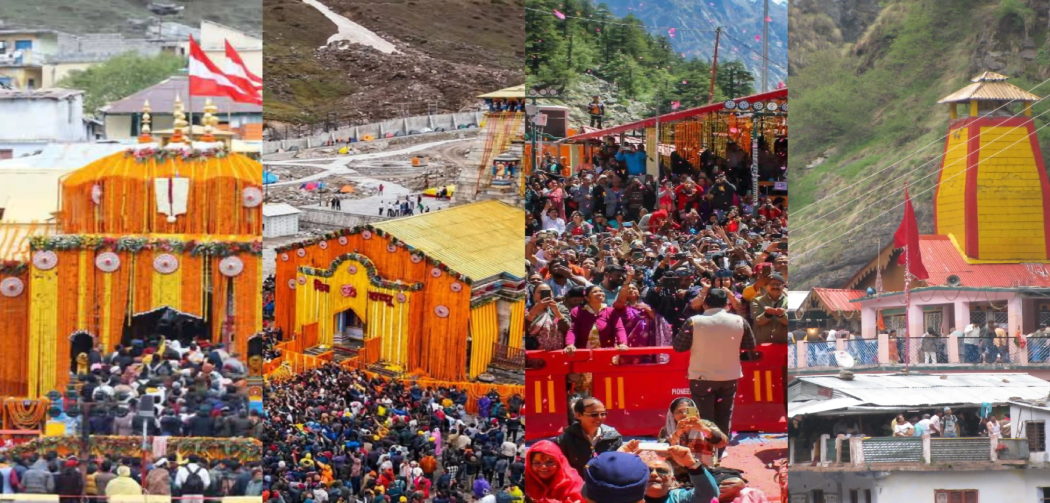
Choosing the best time for 4 Dham Yatra 2026 is critical for completing the pilgrimage safely and efficiently. The Char Dham Yatra involves traveling through high-altitude Himalayan terrain, narrow mountain roads, and unpredictable weather. A wrong decision on timing can result in road closures, landslides, helicopter cancellations, or severe cold, making the journey risky.
May to June (Early Season)
- Cold temperatures
- Snow near Kedarnath and Badrinath
- Fewer landslides
- Higher physical strain due to the cold
September to October (Late Season – Best Window)
- Stable weather
- Clear skies
- Lower crowd density
- Cold nights, but manageable
If you want fewer disruptions, September is the most balanced month.
4 Dham Yatra Weather Guide
The 4 Dham Yatra Weather Guide is essential for anyone planning the pilgrimage because the journey spans high-altitude Himalayan terrain, where conditions can change dramatically within hours. Understanding the weather is critical for safety, comfort, and effective planning.
Temperature Range
- Daytime: 10°C to 20°C
- Nighttime: 0°C to 7°C (can go below freezing)
Weather Risks
- Sudden rain even in clear forecasts
- Cold winds at high altitudes
- Fog reduces road visibility
- Snowfall in the early and late seasons
The weather changes hourly in the mountains. Do not rely solely on mobile forecasts.
Char Dham Yatra Travel Tips
The Char Dham Yatra is a high-altitude pilgrimage that tests physical endurance, logistical planning, and patience. Following practical Char Dham Yatra travel tips can mean the difference between completing the yatra safely or facing delays, health issues, or fatigue. This guide focuses on realistic, experience-based advice for pilgrims in 2026.
Packing Essentials
- Layered woolens
- Rainproof jacket
- Sturdy trekking shoes
- Thermal innerwear
- Personal medicines
Health Tips
- Stay hydrated even in cold weather
- Avoid alcohol completely
- Eat light, warm food
- Acclimatize properly before Kedarnath
Timing Tips
- Start road journeys early in the morning
- Avoid night driving in the mountains
- Keep daily travel distances realistic
Transport Planning: What Works and What Doesn’t
Public transport is unreliable during peak season. Shared taxis are overcrowded and uncomfortable for long distances. Self-driving is risky if you lack mountain driving experience.
For families and groups, hiring a dedicated vehicle is often the most practical solution. Vehicles with sufficient space, heating, and luggage capacity reduce fatigue over long travel days. Many groups opt for premium group transport like Luxury Urbania Rental to handle the extended road stretches between Dams without frequent stops or discomfort.
Kedarnath Trek: The Hardest Section
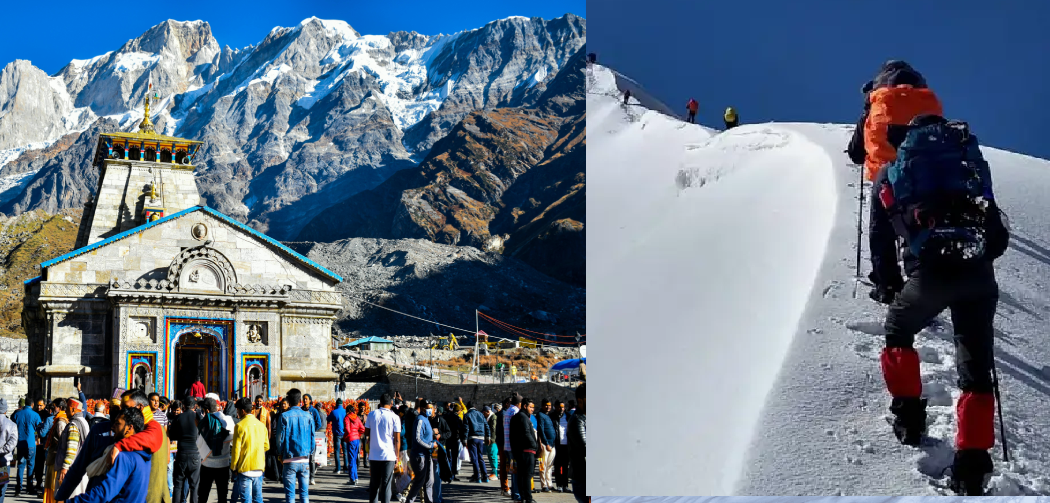
The Kedarnath trek is widely considered the most challenging part of the 4 Dham Yatra. Unlike other dhams, Kedarnath requires a combination of road travel, trekking, and high-altitude endurance. Understanding the realities of this section is crucial for pilgrims planning the 4 Dham Yatra 2026.
- 18 km uphill trek from Gaurikund
- Oxygen levels drop significantly
- The weather changes rapidly
- Pony and palki services are slow during crowds
Helicopter services are available but weather-dependent and frequently delayed. Do not plan tight schedules around helicopter timings.
Food and Water Considerations for 4 Dham Yatra
Proper food and water management is critical during the 4 Dham Yatra 2026, as the pilgrimage involves high-altitude travel, long treks, and physically demanding road journeys. Neglecting this aspect can lead to fatigue, dehydration, or altitude sickness, which are common issues among pilgrims.
- Dal, rice, roti
- Tea and basic snacks
- Limited packaged food availability
Avoid street food hygiene assumptions. Carry energy bars and dry fruits.
Helicopter vs Road: Know the Trade-Off
One of the most critical decisions for the 4 Dham Yatra 2026 is how to travel between dhams, especially for Kedarnath and other high-altitude destinations. Pilgrims often debate between helicopter services and road travel. Each option has advantages and limitations, and understanding the trade-offs is essential for a safe and realistic pilgrimage.
Choose one approach based on health and schedule.
Final Thoughts
Traveling through Char Dham Yatra is more than a comfortable and speedy trip; it provides the traveler with a chance to be spiritually prepared and to care for God's creation. This 4 Dham Yatra Guide includes all the information needed to stay safe on the pilgrimage routes without putting yourself at risk unnecessarily.
By properly planning your travel route, choosing the best dates for the Char Dham Yatra, utilizing realistic travel tips for traveling safely in 2026, referencing a Char Dham Yatra weather guide for Char Dham Yatra weather information, and using a reputable form of transport, whether by a public transport company or through Luxury Urbania Rental premium vehicle rentals, your odds of having a safe and successful Char Dham Yatra should greatly increase!